Change is Inevitable - But Where Does It Lead?
AI is reshaping photography, but can it replace human creativity? Is it a threat or a tool to elevate our art? Let's explore the impact of AI on photography.
Photography has always evolved with technology. Film gave way to digital, and those who resisted the change were left behind. Now, a new transformation is unfolding, one that is even more disruptive - Artificial Intelligence.
AI is rapidly integrating into photography, changing how images are captured, edited, and even created. Some photographers see this as an exciting leap forward, while others fear it could devalue real photography. Will AI enhance creativity, or will it replace the photographer's role? That's the debate.
AI's Impact - A Double-Edged Sword?
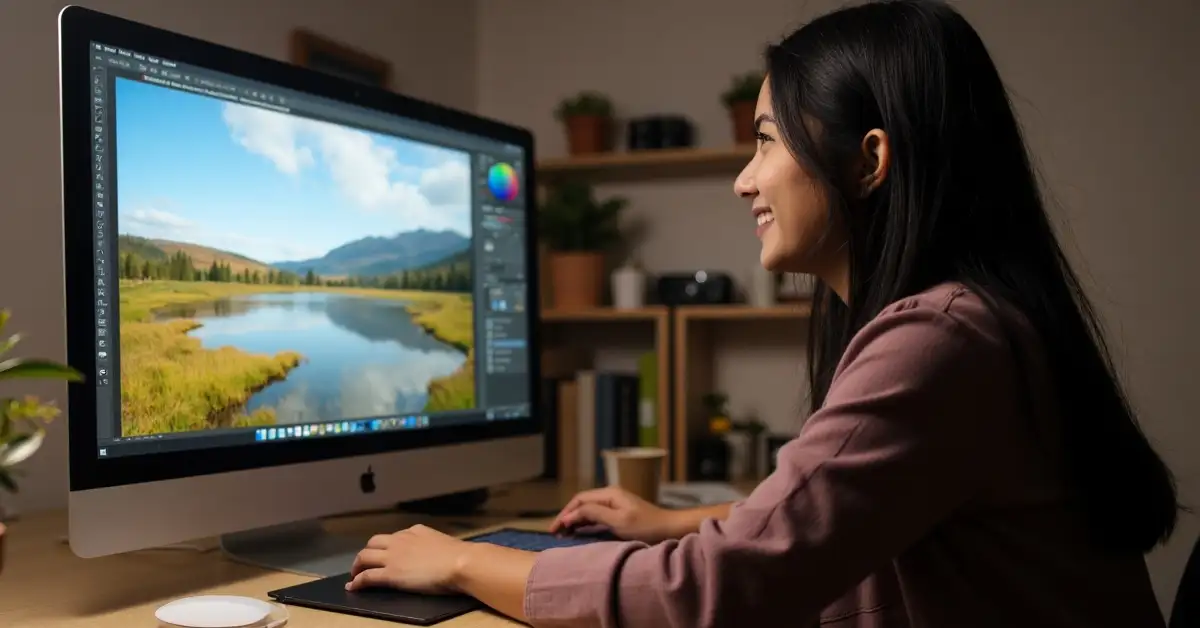
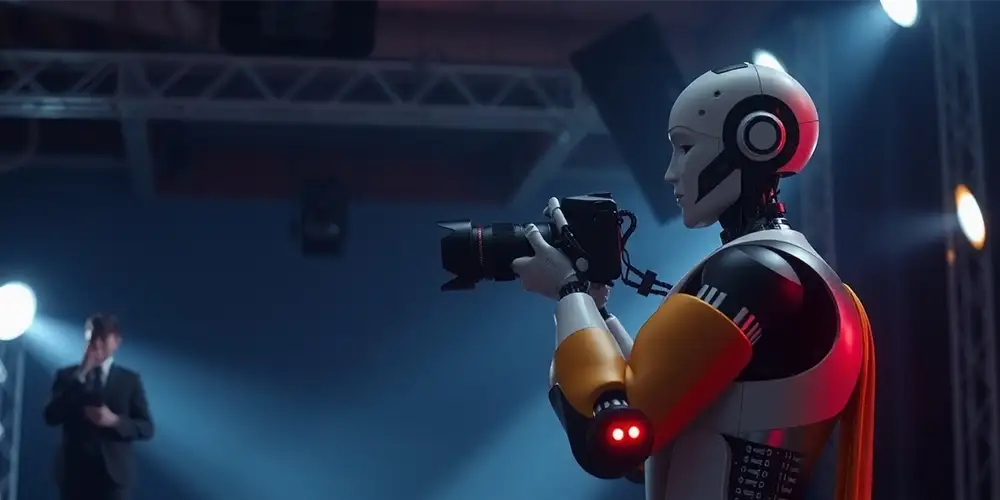
On the technical side, AI is making photography faster and more efficient. Cameras now use AI for autofocus, exposure control, and even real-time composition suggestions. Editing software can remove distractions, enhance images, and even generate realistic photos from text descriptions. The possibilities seem limitless.
But here's the key question: If AI can create stunning images without a photographer, does that mean photography itself is at risk?
Not quite. Photography is more than just perfect images - it's about vision, emotion, and personal expression. While AI can refine and assist, it cannot replace creativity, storytelling, or the human connection that a real photographer brings to an image.
Without human involvement, truly creative and meaningful photos will never exist. AI can be programmed to capture images at specific events, but it cannot replace human intuition, imagination, or emotional depth. A photographer sees beyond the technical aspects - understanding the mood, the right timing, and the essence of a moment. AI lacks aesthetic judgment, ethical reasoning, and cultural sensitivity, which are crucial in photography. It does not experience joy, sorrow, or artistic inspiration - it simply processes data.
Think of it this way - AI can generate a stunning image of a tiger, but it can never replace the real-life experience of venturing into the jungle, tracking a tiger, and feeling the rush of excitement when you finally see one in the wild. The emotions, the effort, the thrill - these are things AI will never replicate.
A Photographer's Perspective on AI
As an experienced photographer and technical person, I want to share my thoughts on AI. I started photography in the late 80s with a Minolta X-570, a fully manual camera. Back then, every setting - focus, exposure, film selection - had to be manually adjusted. I've lived through the struggles of the film era, where buying film, developing negatives, and printing photos was time-consuming and expensive.
The introduction of digital cameras and advanced shooting options lifted that burden. Instead of spending time on technical settings, photographers could focus more on composition and creativity. Now, as we step into an AI-powered world with advanced scene recognition, sharper autofocus, and intelligent tracking, it is once again opening new doors. AI is not a threat; it is a tool that gives us more freedom to explore new creative horizons.
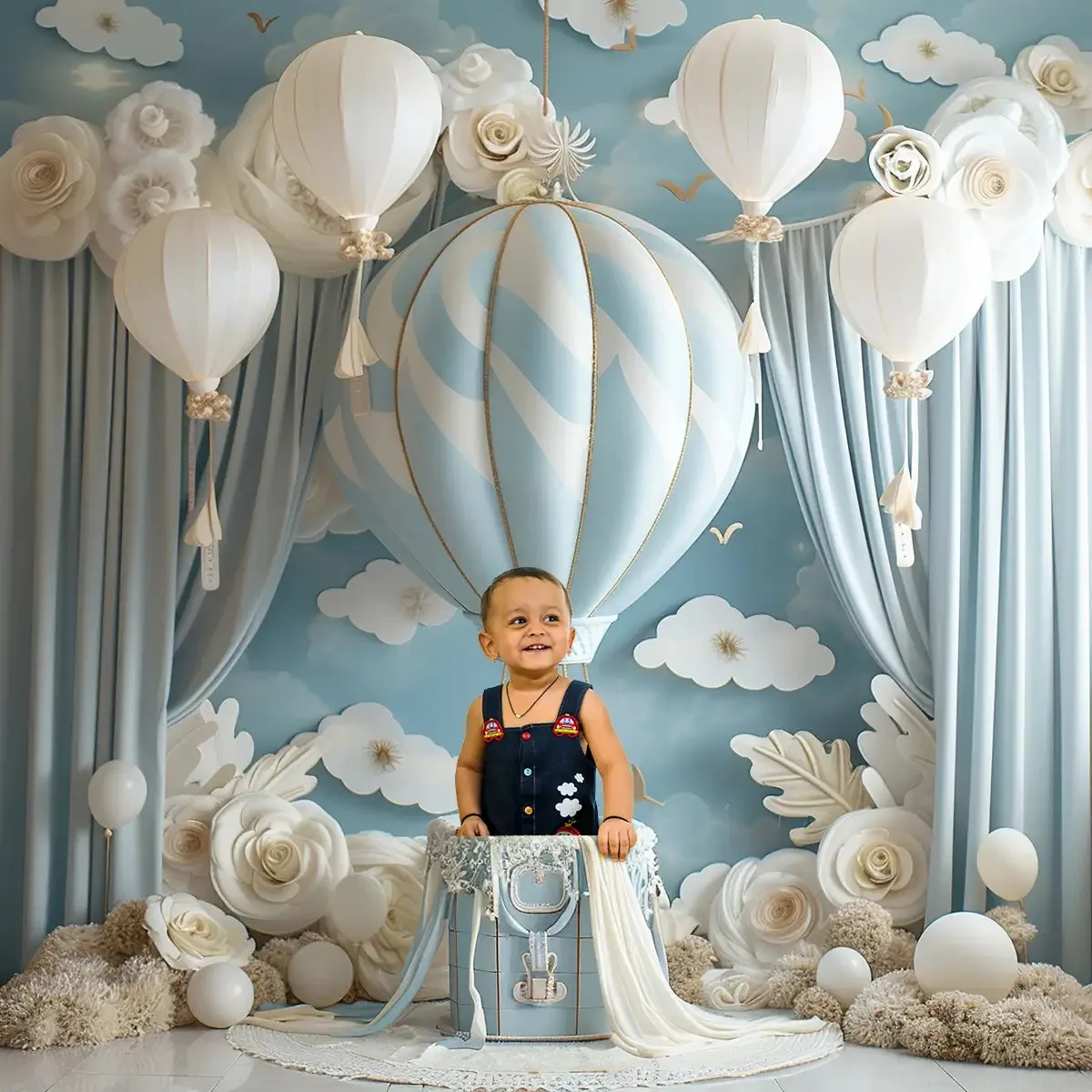
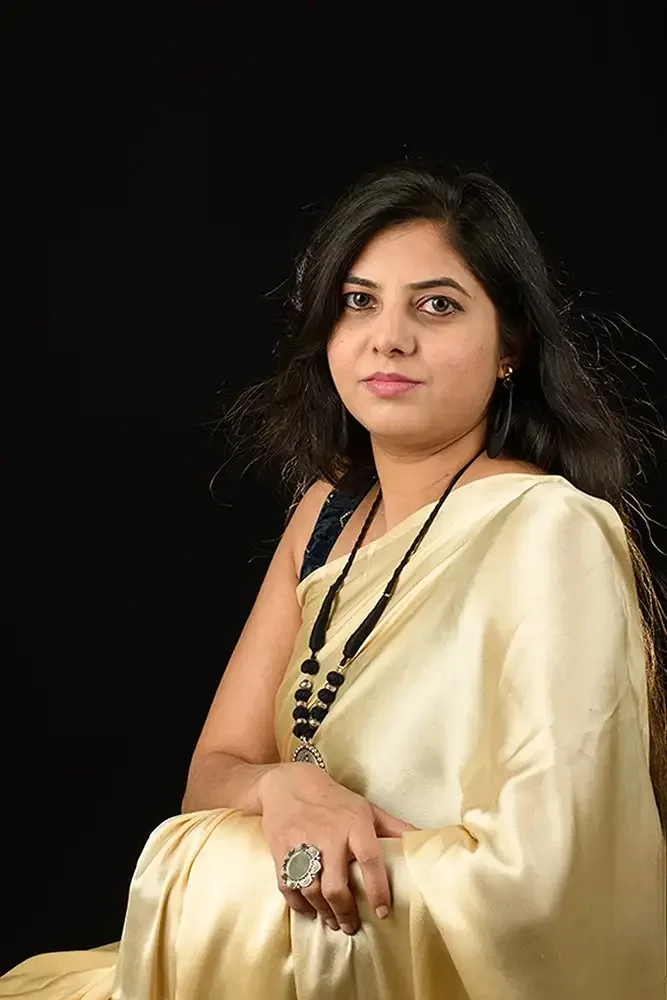
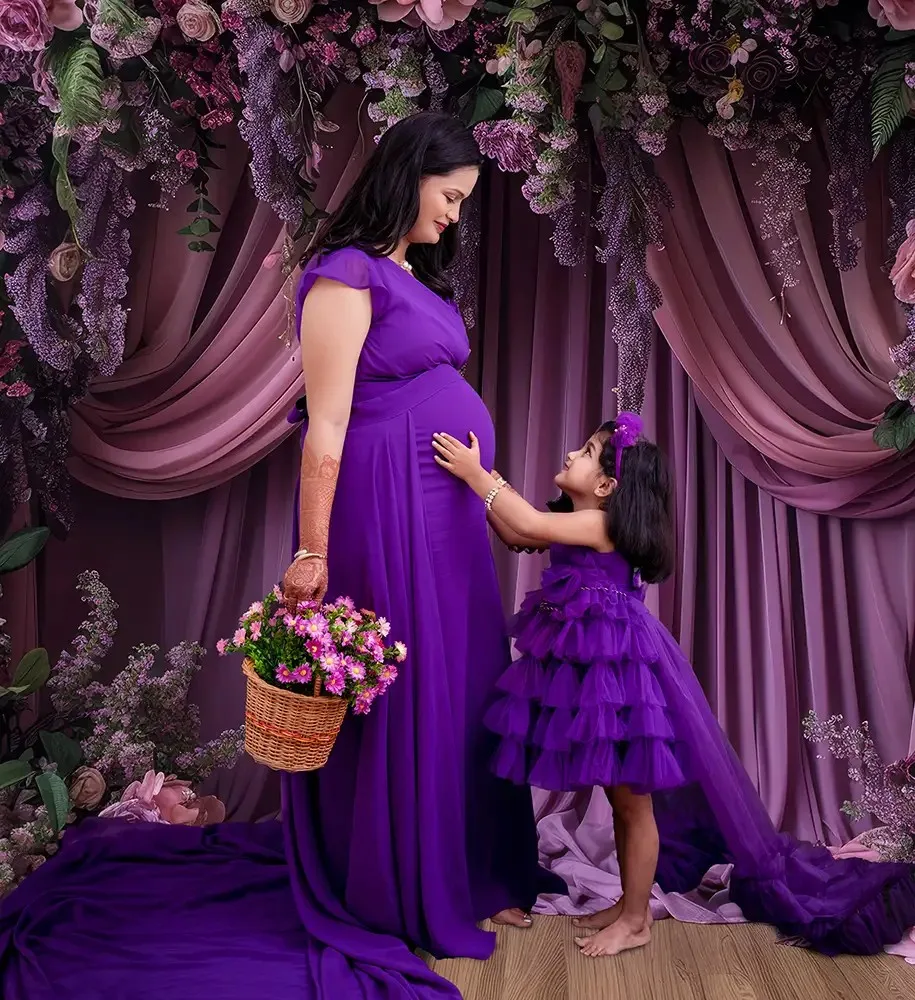
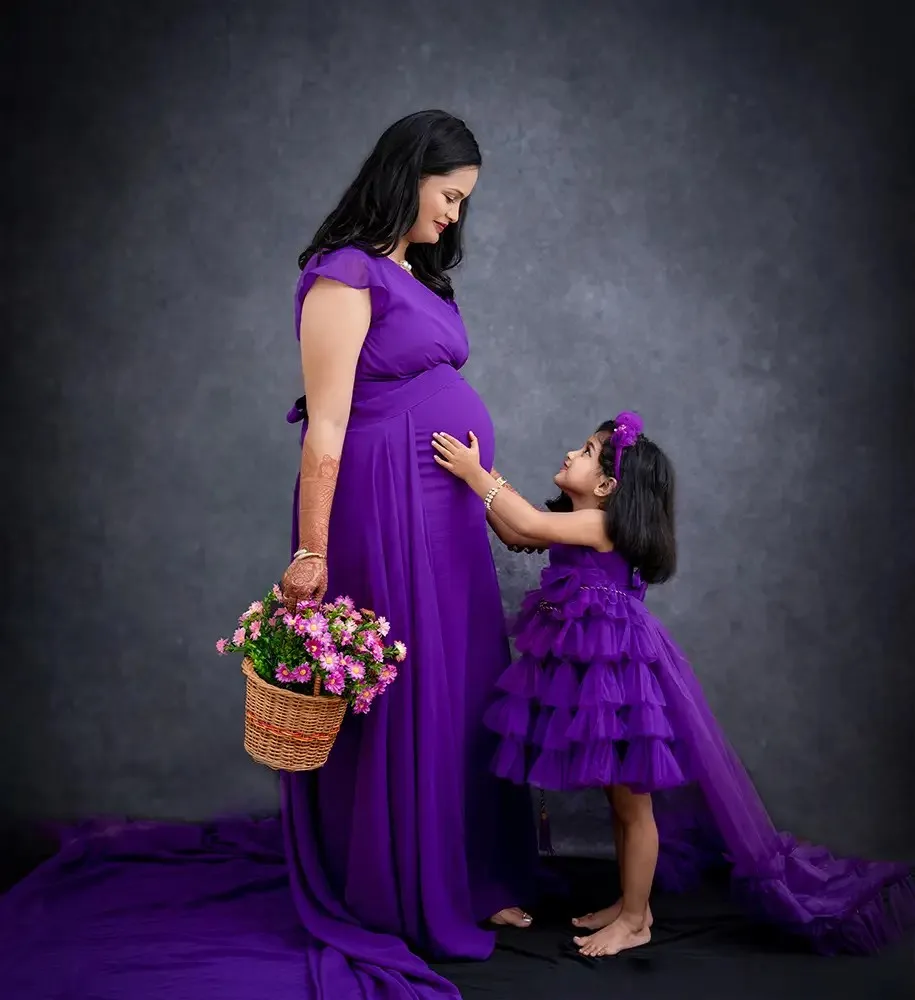
I have also experimented with AI-generated images, transforming simple studio portraits into stunning fantasy scenes - something that would otherwise require a massive investment in sets, props, and post-production. AI is not a replacement for human creativity, but a tool that can eliminate repetitive tasks and push the boundaries of what's possible.
That said, AI has its limits. It cannot surpass human intelligence in creative fields. It can process vast amounts of data, make logical predictions, and execute technical adjustments - but it lacks intuition, emotion, and the unique artistic vision that only a photographer brings.
Examples of use of AI in Photo Editing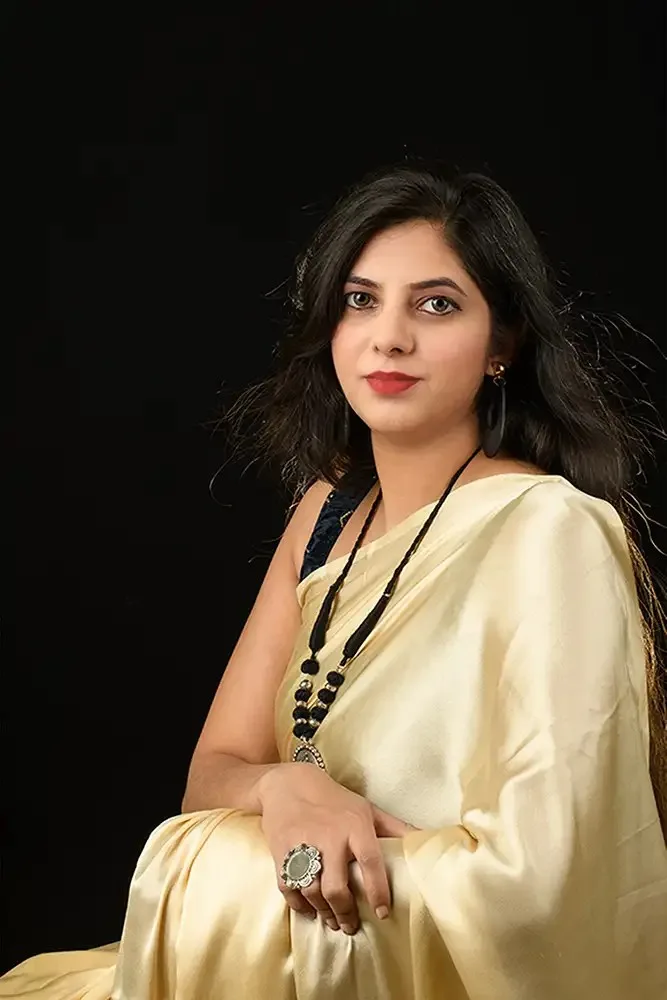
The Final Truth - Should We Fear AI?
AI in photography is inevitable. Just like digital photography didn't erase photographers, AI won't either. Instead, it will change the way we work, opening up new creative possibilities. At the same time, technology is advancing to differentiate AI-generated and real-life images on social platforms, ensuring transparency and recognition for authentic work.
So, don't worry. AI is not here to replace photographers - it's here to push boundaries. The future belongs to those who adapt. Are you ready to embrace it?